
8 Mistakes Friend Officiants Make (and How Couples Can Avoid Them)

Cynthia Capaccio

What I’ve seen go wrong, and how to make sure it doesn’t happen at your wedding.
I’ve been writing and leading ceremonies in South Florida since 2012, and throughout my life, I’ve attended plenty of weddings where a friend stood at the front of the room instead. Some of them were wonderful. Others left the couple smiling politely while the guests checked their watches or, worse, looked visibly horrified on the couple’s behalf.


The difference almost never comes down to how much the friend loves the couple. It comes down to preparation. I’ve coached many loved ones to deliver ceremonies like true professionals, and these are the eight mistakes I see most often.


1. Making it about the officiant, and telling only one side of the story


It happens innocently. Your friend knows one partner well and the other only a little, and they know the couple through their own memories. So the ceremony fills up with stories about college, road trips, and “the time we.” Before long, the guests know more about the officiant than about the marriage they came to witness, and the ceremony sounds like a tribute to one person with the other added in. And the family on the other side of the aisle notices, every time.


A good ceremony gives both partners equal real estate on the page because the ceremony belongs to the couple. The officiant’s job is to tell their story, so every guest can take a journey through the relationship and understand what brought everyone together on this day.


2. A copy-and-paste script


Most friend officiants start with Google or AI. They pull pieces from all over the internet, so the words have been heard countless times before, and the meaning gets lost. The script sounds choppy because nothing segues smoothly into the next part. Special elements, like rituals or honoring other loved ones, aren’t even considered.


AI can certainly generate lovely words. But without the right questions behind it, it produces the same familiar style, language, and tone we can all spot by now. The emotion lives in asking the right questions and in knowing how to shape the answers into something that sounds like the couple.


3. Inside jokes that half the room doesn’t understand


A joke that kills with the college crowd can fall flat in front of grandparents, coworkers, and the in-laws. When half the room laughs and the other half looks confused, the moment turns awkward. Humor belongs in a ceremony. It just has to land for everyone, and it has to be appropriate. Lawd have mercy, don’t even get me started on that one.


4. Writing it the week before the wedding


Everyone means to start early. Then life happens, and the ceremony gets written in a panic the night before the rehearsal. There’s no time to revise, no time for the couple’s input, and no time to practice. Believe me, people notice on the day.


5. Reading it from a phone


It seems practical until the screen dims, a text pops up, the sun makes it impossible to read, or worse, the phone dies. It also shows up in every photo. A printed script in a simple folder or binder looks professional, and paper won’t let you down.


6. Rushing through it


Nerves make people talk fast. A ceremony that should take 20 minutes is over in eight, and the couple barely had time to take it in. The most powerful moments come right after a pause, to allow the emotional weight of the word to resonate and the guests can picture what they just heard.


7. Standing in the wrong place, and not dressing the part


This one is my personal favorite because it’s easy to fix and so painful to see in photos.


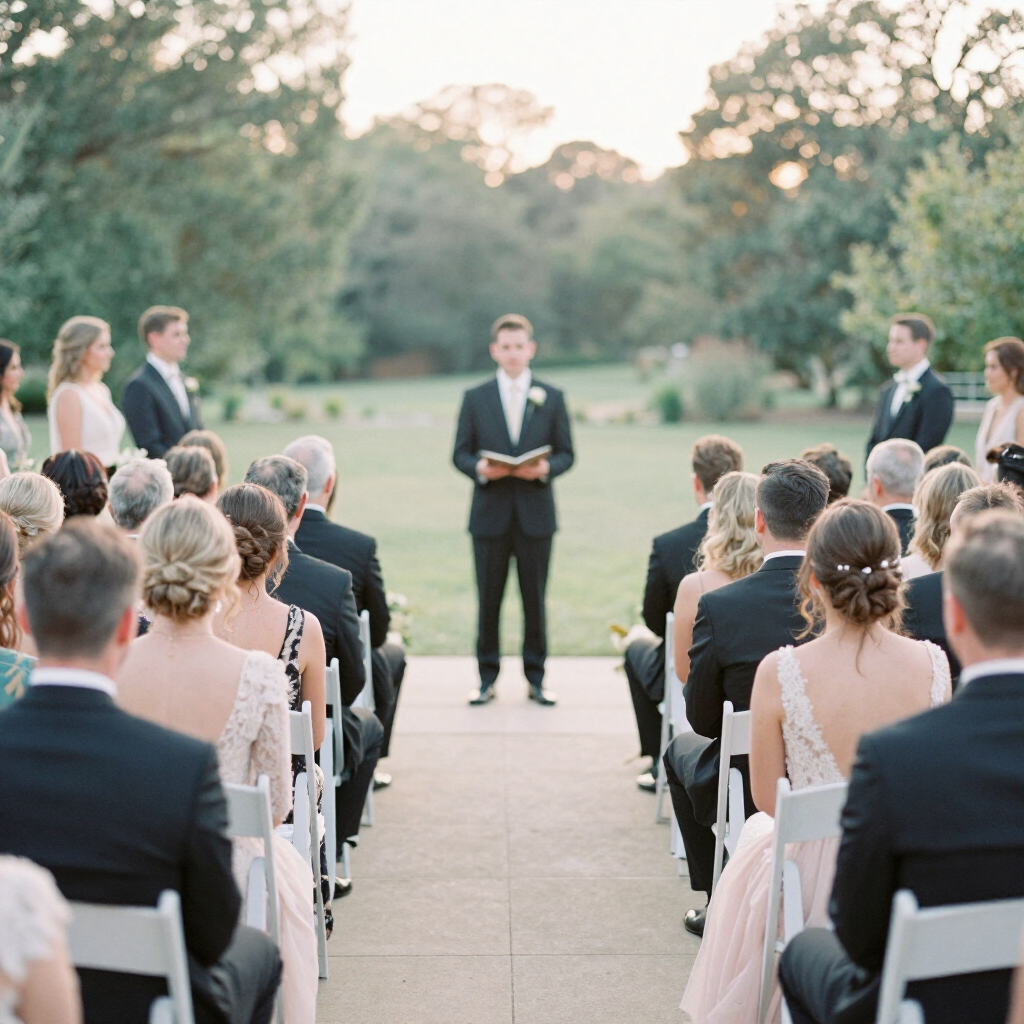
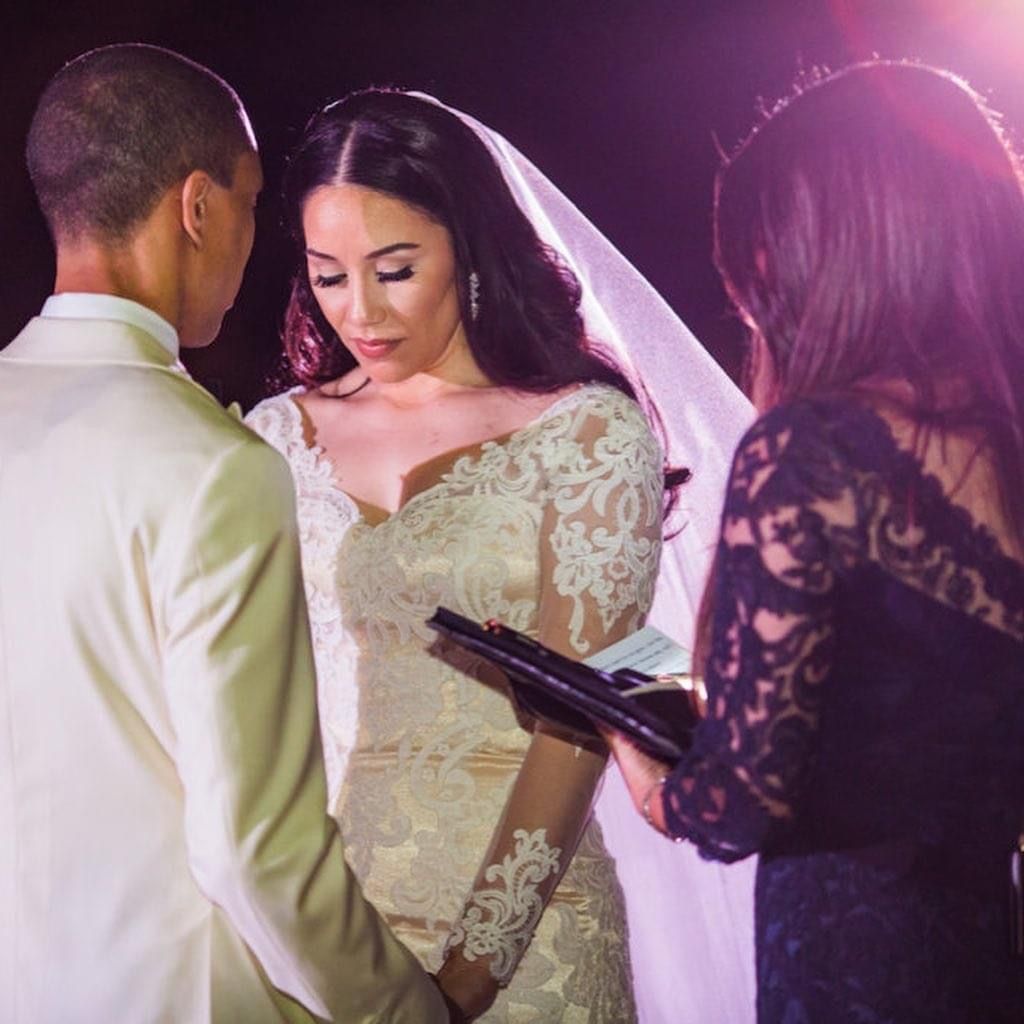
If there’s an arch or other décor, it marks where the officiant stands: right in the center. The couple faces the officiant, shoulder to shoulder, with the officiant’s head framed between theirs. This gives the couple a moment to settle in, and it lets the photographer capture their attire from the best angles. For brides wearing a gorgeous veil, this is a must. When the couple begins speaking to each other, they turn to face one another.


During the moments that don’t involve the officiant, like the ring exchange and the kiss, the officiant steps to the side, using the décor as cover so they don’t look awkward or out of place. Otherwise, the most important photo of the day has a third person standing right in the middle of it.


And since your friend will appear in nearly every ceremony photo, they need to dress the part, in formal attire that fits the style of the wedding. Ask any wedding photographer. They’ll tell you the same thing.


8. Calming their nerves with alcohol


I saved the worst for last. Your officiant is so nervous, thanks to everything above, that they reach for a drink to calm down. Even for the most experienced drinker, nerves and an empty stomach create the perfect environment for anarchy to ensue. Slurring, swaying, and going off script are giggle-worthy moments your guests can overlook. But if it turns inappropriate, hostility follows. Guests, parents, and even the wedding party may step in to help, and that usually makes matters worse. The moment you’ve spent months planning is ruined. There are no do-overs, and you can never get that precious time back.


How couples can avoid all eight


Having a friend officiate is a beautiful choice, and I fully support it. The couples who get it right do one thing differently: they give their friend real support instead of just hoping for the best.


That’s what the Friend Officiant Package is for. I write the ceremony from scratch, using private questionnaires from both partners, so the story is balanced, personal, and takes every guest on an emotional journey through the relationship. Then I coach your friend in a live, one-on-one session, so they walk up there prepared and confident. You get the friend you love and a ceremony that sounds professionally done.


Let’s connect to discuss it further: Cynthia@CeremoniesWithCynthia.com  There is never an obligation, and it would be my pleasure.


Frequently asked questions


What’s the most common mistake friend officiants make?

Making the ceremony about themselves and telling only one partner’s side of the story. The officiant usually knows one partner better, and it shows.


How far ahead should a friend officiant start writing the ceremony?

At least two to three months before the wedding. That leaves time for revisions, the couple’s input, and practice.


What should a friend officiant wear?

Formal attire that matches the style of the wedding. The officiant appears in nearly every ceremony photo.


Should the officiant read from a phone or paper?

Paper. A printed script in a simple folder looks better in photos and won’t dim, ring, or die at the wrong moment.


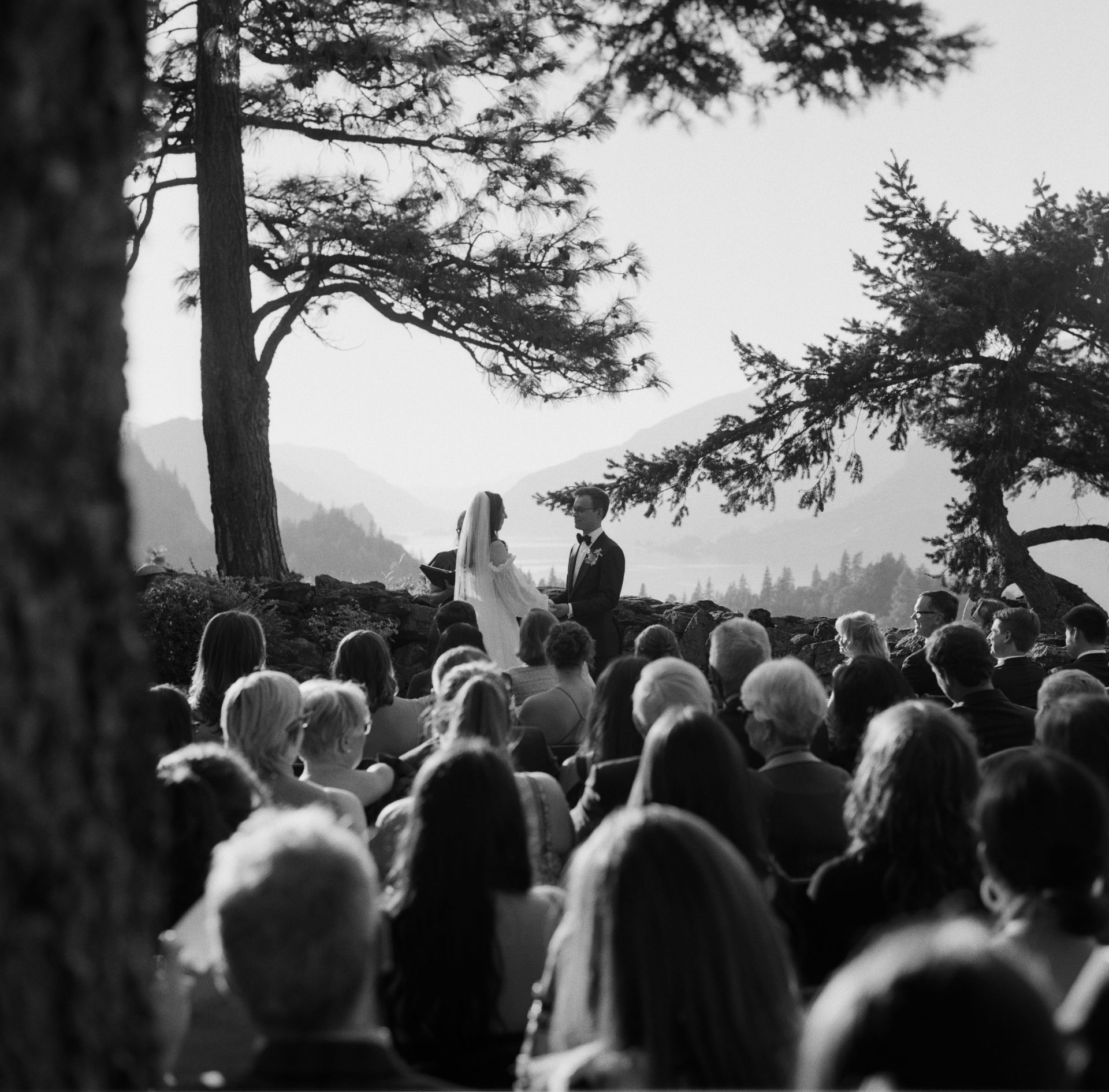
Photo credits: Amanda, Lane’s neighbor and friend, delivering the ceremony I wrote and coached her through as she presided over Lane and Mason’s ceremony at The Griffin House overlooking the Columbia River Gorge, captured by  https://www.calebgaskins.co/
 

By Cynthia Capaccio • October 12, 2026
An honest look at the job, from an officiant who has written and led ceremonies in South Florida since 2012.
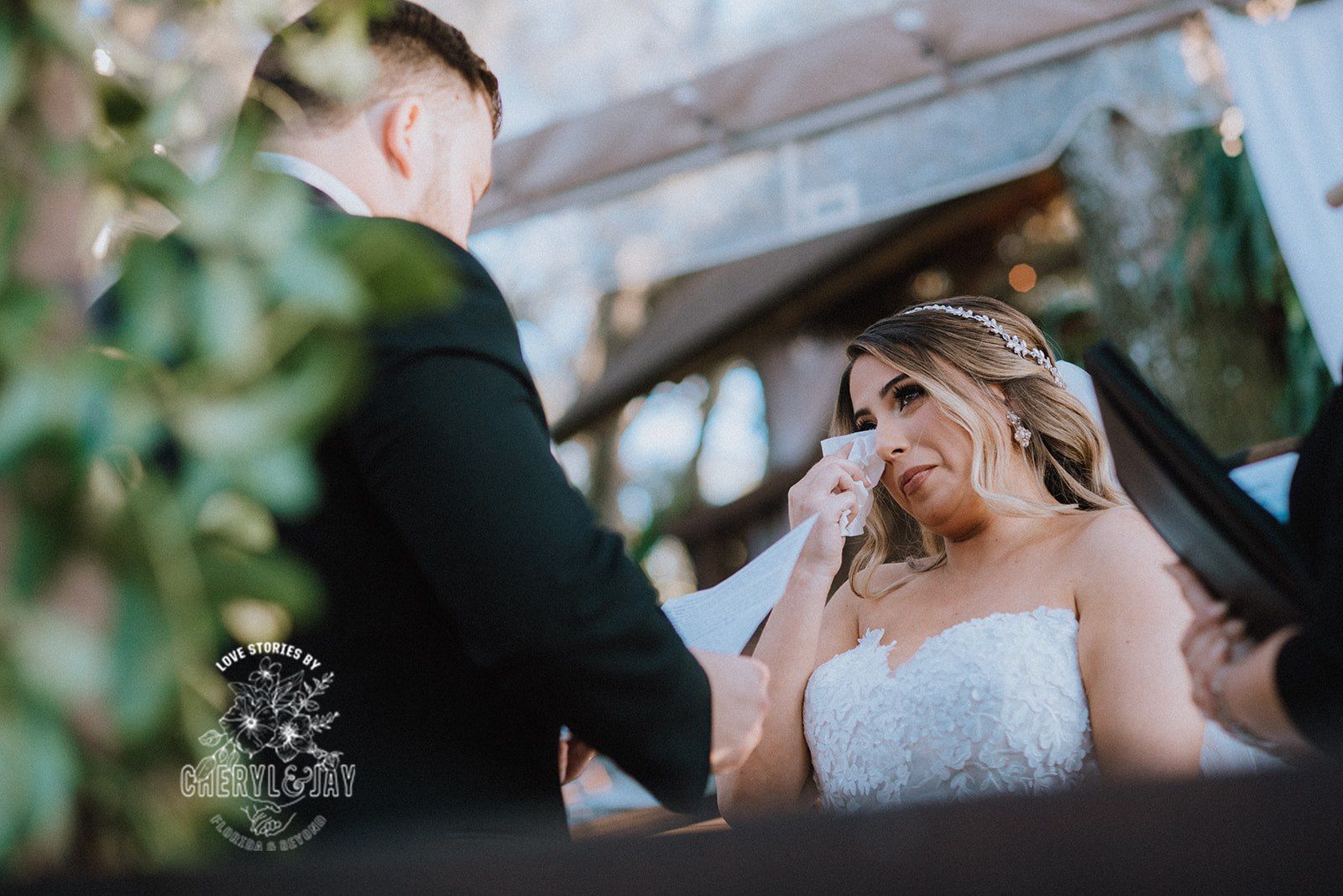
Groom reading vows to Bride as she wipes tears from her eyes
By Cynthia Capaccio • October 8, 2026
What the big wedding sites leave out from an officiant who has written and led ceremonies in South Florida since 2012.
By Cynthia Capaccio • July 22, 2026
You're planning your wedding, you type "who marries you at a wedding" into Google at 11pm, and suddenly you're three tabs deep wondering if you need a minister, an officiant, a celebrant, or possibly all three. Here's the good news: you don't need to know the difference to hire the right person. But it does help to understand what you're actually looking for, so you don't end up with someone who's technically qualified but completely wrong for your day. Let's clear it up. Minister A minister is tied to a specific faith tradition. Ordained (or licensed) within a particular religion, typically leading a congregation, and trained to perform ceremonies within that religion's framework. If you want a traditional religious ceremony, with the language, structure, and rites of your faith intact, a minister (or priest, rabbi, imam, etc., depending on your tradition) is who you're looking for. The ceremony will reflect the theology of that faith. That's the point. It's not a personalized ceremony built around your relationship. It's a sacred rite, and the couple steps into it. Officiant "Officiant" is the umbrella term. It just means: the legally authorized person performing your ceremony. A minister is an officiant. So is a judge. So is anyone your state allows to solemnize a marriage, religious or not. When people say "we're looking for an officiant," what they usually mean is: we want someone who isn't necessarily tied to a religious tradition, and who can build a ceremony around us. That's the role most couples are actually hiring for these days, whether they realize it's called that or not. Celebrant A celebrant is an officiant who specializes in personalized, non-religious (or lightly spiritual, "your call") ceremonies. This is where the real craft lives. A good celebrant doesn't hand you a script. They sit down with you, learn your story, ask the questions you didn't know you needed to answer, and write a ceremony that could only be yours. This is where I live. I'm not delivering a template with your names swapped in. I'm writing your ceremony, the way a great story is written: with structure, with heart, with a few surprises, and with an ending that lands exactly where it should. So Which One Do You Need? Ask yourself one question: do you want your ceremony to honor a faith tradition, or to honor your relationship? If the answer is "faith tradition," start with a minister, priest, rabbi, or equivalent within your religion. If the answer is "our relationship, our story, something that actually sounds like us," you want a celebrant. And if anyone tells you your ceremony has to sound formal, generic, or interchangeable with every other couple's, they haven't experienced a 100% original custom-written ceremony before, so you may want to take their advice with a grain of salt. When you're vetting anyone to officiant your wedding, religious or not, ask these very important questions: -Will you meet with us before the wedding, or are we getting a script you've used a hundred times? -Will the ceremony include our actual story, or just our names dropped into placeholders? -Are you double-booked that day, and if something runs long, are you rushing off to another ceremony right after ours? The answers will tell you everything. This is exactly why I say I'm Not Your Ordinary Officiant because what’s most important to me is actually knowing the couple we are honoring and writing something that could never be recycled for someone else. Still Not Sure Which Path Is Right for You?  That's completely normal, and it's exactly the kind of thing I help couples work through. Reach out anytime, and we'll figure out together what your ceremony should actually sound like.
By Cynthia Capaccio • July 21, 2026
If you're having a DJ for your ceremony, choosing the right songs doesn't have to be complicated. My tip? Look for one of two things: the lyrics or the sound . Choosing by Lyrics You can select a processional or recessional song from any genre, any decade, and yes, it can absolutely have lyrics. You just have to love what the song is about. That's really all it takes. Processional songs with lyrics I love: · You Are Mine — Spencer Combs (feat. Holley Maher) · This Is Why I Love You — Major · I Get to Love You — Ruelle · Can't Help Falling in Love — Elvis, or one of the many beautiful renditions of this classic · Somewhere Over the Rainbow — Israel Kamakawiwoʻole · At Last — Etta James Recessional songs with lyrics work a little differently: they come in on a chosen cue word (like "Amen" at the close of a prayer), timed so the lyrics begin right as your lips touch for that first kiss. It's such a beautifully moving effect. Some of my all-time favorites: · L.O.V.E. — Nat King Cole, a classic and so much fun · Lovely Day — Bill Withers · Let My Love Open the Door — Pete Townshend · Ain't No Stoppin' Us Now — McFadden & Whitehead · Is This Love — Bob Marley · Love — Matt White And honestly, I could go on, especially if you're open to songs outside the last two decades. I have countless suggestions! Choosing by Sound Instead Can't find the right lyrics that fit? Disregard them entirely and choose based on the sound . Most songs have an instrumental version, which means the words never have to compete with the narration during those final, precious moments. Recessional songs with powerful instrumental crescendos: · Unconditionally — Katy Perry (everyone's on their feet for this one) · Something Like This — The Chainsmokers & Coldplay, a slow burn, but a goodie · Secrets — OneRepublic (there's just something about a cello) · Bitter Sweet Symphony (instrumental version) — The Verve, an absolute tearjerker · Midnight City — M83, contemporary and powerfully awesome · Clocks — Coldplay (pianos are just yummy) · Viva La Vida — Coldplay, a classical feel for a modern song · Paradise — Coldplay, so dramatic Picture it: at your chosen cue, the song begins softly, scoring the final moments of your ceremony as I pronounce you married, timed perfectly so the crescendo hits right as your lips touch. Or, just as beautifully, the song can begin at the kiss itself. That flexibility means almost anything could work. How to Find Your Song Ask yourself: are you more moved by sound, or by lyrics? Start jotting down songs as you hear them while you’re out and about or scrolling your own playlists. The perfect one might already be hiding in there!  Still narrowing it down? This is exactly the kind of detail I help couples work through when we build their ceremony together, so reach out anytime.
By Cynthia Capaccio • July 19, 2026
Why more couples are blending a loved one's voice with a professional's craft
By Cynthia Capaccio • July 15, 2026
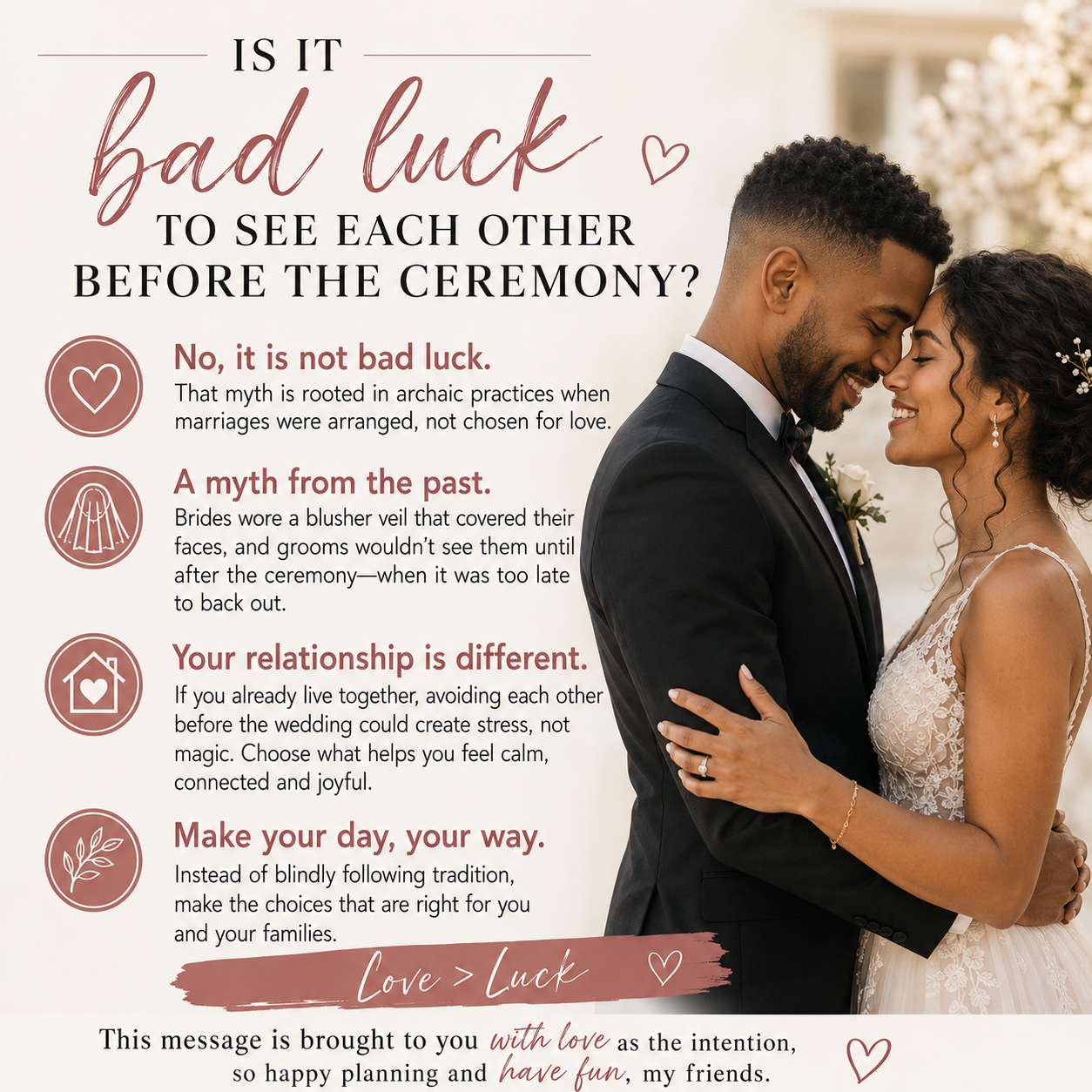
Deciding between a First Look or waiting for the aisle? Discover 4 expert-backed reasons couples are choosing a First Look.
By Cynthia Capaccio • July 7, 2026
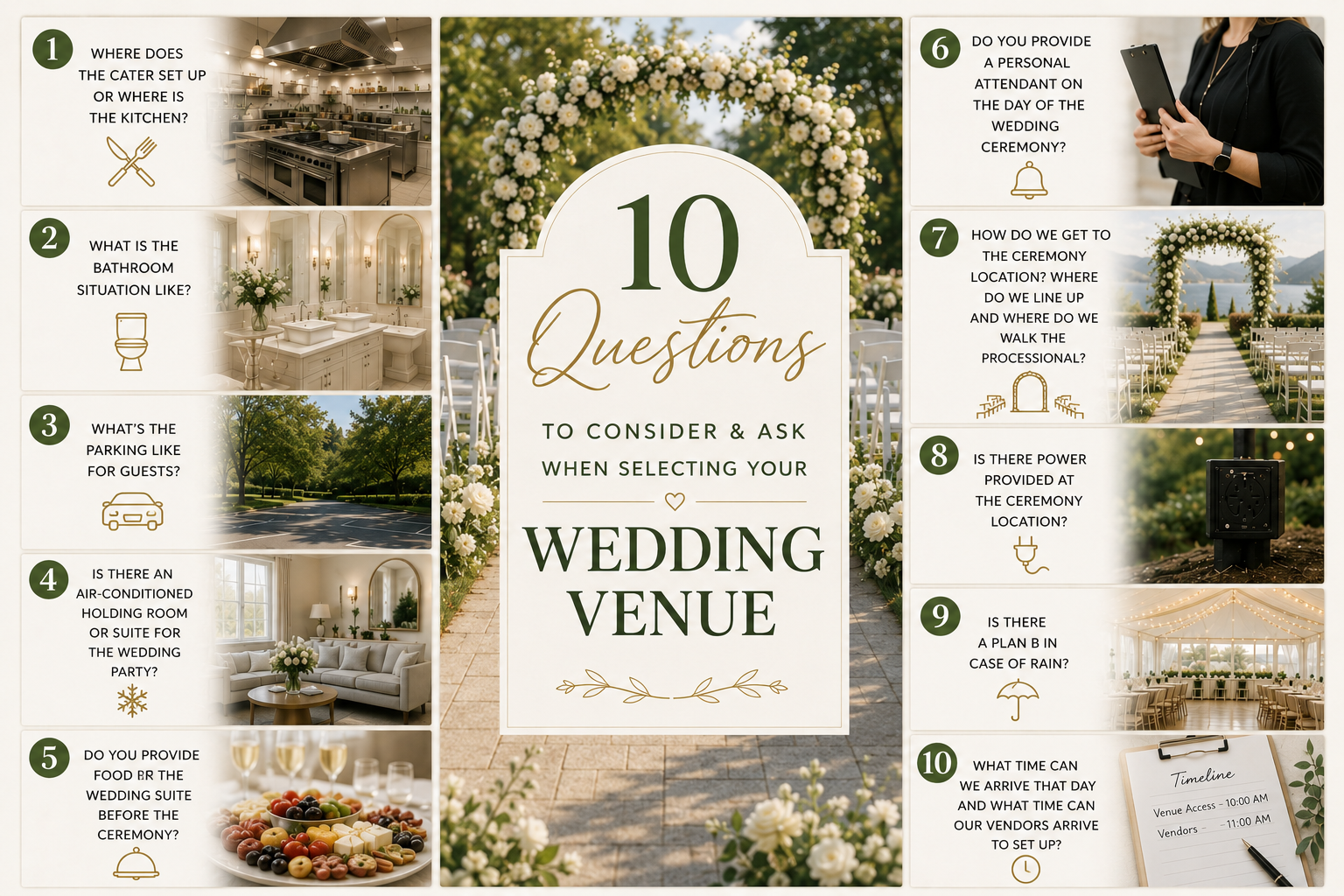
Just because a Wedding Venue looks pretty doesn’t mean it will be the best Wedding Venue to suit your needs. Here are the Top 10 Questions you should consider (and ask!) when selecting your Wedding Venue.  Already booked it?! It’s not too late to be informed and make the necessary accommodations to match your needs.
Beach Wedding in Florida
By Ceremonies with Cynthia • October 17, 2024
Planning a beach wedding in South Florida? Discover the must-know facts .
Wedding officiant with married couple bowed heads in prayer
By Ceremonies With Cynthia • July 24, 2024
Finding the right wedding officiant can make or break your wedding ceremony.